
Diabetes is becoming one of the biggest hidden health challenges facing the road transport industry, with as many as 2 in 5 employees across the sector estimated to be living with the condition. People who drive for a living are twice as likely to develop Type 2 diabetes, and many drivers may be living with the condition without knowing it. Left unmanaged, diabetes can affect concentration, vision, coordination and long-term fitness to drive.
The good news is that diabetes can often be prevented, managed effectively and supported in the workplace.
THE HIDDEN FACTS


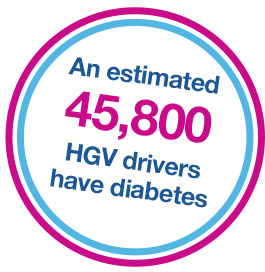
- Among commercial drivers, an estimated 1 in 6 have diabetes (around 45,800 HGV drivers), rising to 1 in 3 among those aged 55 to 64.
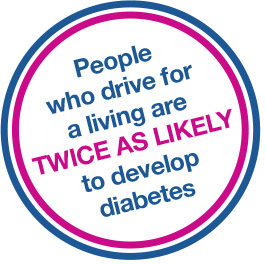
- People who drive for a living are twice as likely to develop Type 2 diabetes as the general population.
- Around 30% of people with diabetes are undiagnosed, meaning many workers may not know they are affected.
- Around half of all people with diabetes develop nerve damage in their feet, which can affect pedal control.
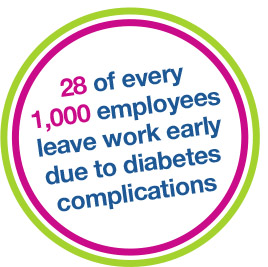
- Employees with diabetes complications typically require 2-10 extra sick days per year.
- More than half (54%) of surveyed drivers with diabetes admitted running their blood sugar levels higher thanrecommended to avoid problems at work.
KNOW THE WARNING SIGNS

Common symptoms can include:
- Frequent thirst
- Frequent urination
- Unexplained tiredness
- Blurred vision
- Unexplained weight loss
- Slow-healing cuts or infections
If in doubt, speak to your GP or a healthcare professional.

CHECK FEET FOR DIABETES SENSITIVITY
Research shows that diabetic peripheral neuropathy (nerve damage in the feet) can cause pedal misapplication errors, such as accidentally pressing the accelerator instead of the brake during demanding driving manoeuvres. People with diabetes should already receive regular foot examinations, and checking for loss of sensation is recommended as part of these assessments. You can also ask someone to carry out a foot sensitivity test – guidance can be found on the Diabetes UK website.
FOR TRANSPORT MANAGERS
Create a diabetes safe workplace
- Allow drivers time to stop, test & treat blood sugar levels when needed (drivers on insulin must test every 2 hours)
- Encourage breaks at least every two hours where possible
- Train managers to recognise diabetes risks and warning signs
- Support attendance at medical appointments
- Promote healthy food choices and active lifestyles
- Create a culture where employees feel comfortable discussing health concerns, such as foot checks to ensure no loss of sensation

FOR DRIVERS


Stay diabetes safe
- Attend routine health and diabetes checks
- Take breaks regularly and keep moving
- Carry snacks and drinks suitable for treating low blood sugar
- Never ignore symptoms such as excessive thirst, tiredness or blurred vision
- Follow DVLA requirements and your healthcare plan
- Seek support early – effectively managed diabetes is compatible with safe driving
THE NEXT STEPS

The Diabetes Safety Organisation (DSO) was established to address the ever-present and growing safety risks posed by diabetes. This often invisible risk can leave employees vulnerable to potentially fatal incidents and expose companies to criminal liability. The DSO works with businesses to provide training courses that equip staff with the knowledge they need to understand and manage diabetes and its impact. Visit: www.diabetessafety.org
DVLA advice: www.gov.uk/government/publications/information-for-drivers-with-diabetes

DISCLAIMER: This web page was prepared with the support of Diabetes Safety Organisation: www.diabetessafety.org Facts/figures are derived from “Hiding in Plain Sight: The UK Diabetes Crisis
– A Call to Action to the Road Transport Sector”. It has been prepared as a guide only and should not be taken as an authoritative document.
Driver Hire Group Services Ltd, its associated companies and Franchisees accept no liability for any errors or omissions. If you have any questions about diabetes, you are strongly advised to seek professional medical advice.